Happenings throughout History along The Oxford Canal

So, I spent a day trawling through The Oxford Times and Oxford Mail archives looking for stories and tales to do with The Oxford Canal, and I owe Chris McDowell (resident archivist and man everyone wants on their team in a pub quiz) a great big thank-you for all of his help and patience with me – he’s a brilliant man!

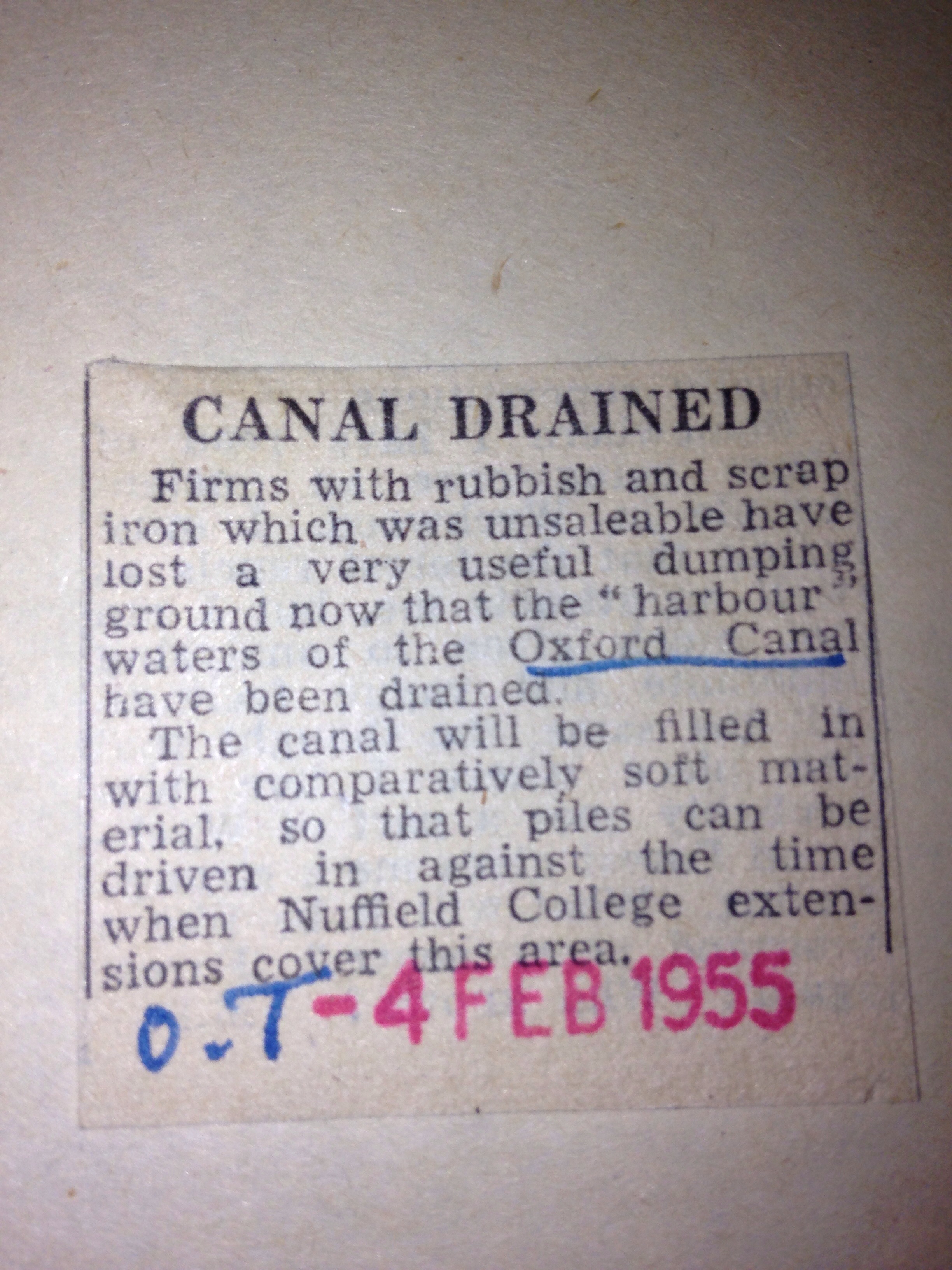
Anyway, below is a list of some of the places where interesting ‘happenings’ have taken place along the canal as it flows towards, and passes through Oxford city centre – there were plenty more stories littering other parts of this 78-mile-long stretch of waterway, but as this exhibition is taking place in Oxford I’ve decided to keep it local. I’ve also made the decision not to include the dates of the occurrences, or details of the occurrences that would enable people to date them, as the point of Wait ’til it Settles is that there’s more to this canal than meets the eye. History has made the canal what it is today, the good, the bad and the ugly – the underlying stories that have carved out its meandering shape, its physicality, its locks, its railings, its paths, its warning signs, its lifebuoys, its beauty spots, its cottages, its cottaging!

  • Drained – Canal Basin (under Worcester Street Car Park)
  • Body found – Isis Lock (or Louse Lock)
  • Dangerous condition – Wolvercote Lock
  • Girl attacked – near St Barnabas Church, Jericho
  • Natural beauty – Wolvercote (between Dukes Cut and Thrupp)
  • Soliciting – Canal Towpath (near Hythe Bridge Street)
  • Sewerage spill – Downstream from Kidlington
  • Pollution killing fish – Hythe Bridge Street
  • Dredging – Between Frenchay Road and Isis Lock (or Louse Lock)
  • Dynamite sticks found floating – Aynho
  • Birth on a boat – Swinford Bridge
  • Litter – Upper Fisher Row
  • Natural beauty – Shipton Weir Lock
  • Fatal accident – Shipton-on-Cherwell
  • Oil slick – Jericho
  • Commercial traffic – Enslow Wharf
  • Towpath charges – Godstow

Water from some of these locations will be displayed at The Jam Factory from 1st to 28th April 2014 as part of the Inspired the Canal exhibition.

In other news, here’s a list of interesting Oxford-canal based resources that I’ve happened across online in the last week:


20140329-084316.jpg

BBC aiming to put arts in mainstream

A friend recently linked to this article, BBC aiming to put arts in mainstream, commenting “Oh I don’t know whether to laugh or cry!!!” From a national perspective, it’s got to be time to rejoice, that’s for sure!

Personally, I’m delighted to hear that the arts will get more prominence on prime-time media. The BBC said: “The arts have been central to the BBC’s past and are central to its future. As all arts organisations face the challenge of delivering more in a tight economic climate, it is vital that we work together in new ways to create a bigger and better offer to the public.”

Tony Hall

The BBC’s Director General is a man called Tony Hall, and I take comfort in the fact that, according to his biog. on the BBC website, Hall comes from a background in arts management (previously having held the position of chief executive at the Royal Opera House for 12 years before joining the BBC in his current role) is passionate about education and skills within the cultural industries, and wants to return the arts to the corporation’s “heart”.

I just wish that Editors-in-Chief in the local media were taking the arts equally as seriously. Despite contributing to local arts coverage myself, it astounds me just how few column inches are dedicated to the arts in local media. It seems to me essential that the general public understands the value of the arts to the UK economy and, more holistically, to the general well-being and development of society. Equally, and at a time when regional funding in the arts is being questioned, it’s important for people to know and understand how and why government funding (tax-payers’ money) is being allocated locally across the arts. Such spending ought to receive the same platform as spending on health facilities, pot-holes, land development plans and the like, as it stands it’s frequently sad to see arts coverage dropping down the priority list, if it manages to stay on the list at all.

Of course, I understand that it’s increasingly difficult for independent media bodies to sell advertising to pay for the paper that news is printed on at a time when there is less money in marketing pots for promotional activity… and it must be difficult to justify advertising charges when circulation is dropping as people are consuming more news online. It’s catch 22, but surely this is were content becomes increasingly important. Give people what they want – the basic principle of supply and demand. Hopefully Tony Hall’s plan to redress this dangerous imbalance will put the arts back on its rightful pedestal, and regional media will fall in line accordingly. My fingers remain tightly crossed, my eyes and ears firmly fixed on the BBC, my small change spent on regional newspapers and magazines, and my heart full of hope that regional Editors in Chief will wake up to the realisation that there is a ferocious appetite for local arts coverage.

Resources – The Oxford Canal

A useful list of links and info from Oxford-based historian, canal dweller and Mr www.oxfordwaterwalks.co.uk, Mark Davies…

“Dear Sarah,

I am responding to the message you left with JLHT, in respect of source information about the Oxford Canal. Sadly, there is no handy map – it’s something we pondered as part of the Project, but have had to put off until later this year – but you will find maps in the Nicholson’s Cruising Guide to the whole canal, for instance.

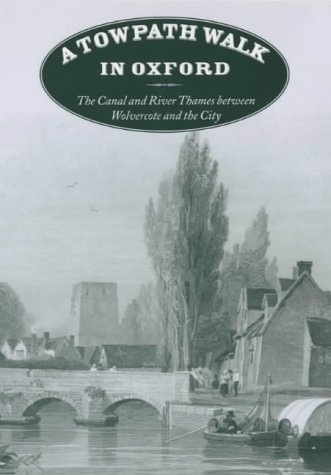
As for information, I imagine that you will find my own book A Towpath Walk in Oxford helpful, as too The Oxford Canal by Hugh Compton. Both are available from the library, along with other titles that you may find helpful.

You might like to note that I am giving a talk at the Jam Factory on April 27th, incidentally:

The Oxford Canal: an artistic history

2.30pm, Sunday 27 April 2014, The Jam Factory, 27 Park End Street.
Free illustrated talk, one hour including questions.

From the industrial origins of the Oxford Canal to its modern leisure-based revival, artists have have provided an invaluable supplement to the historical record of Oxford’s resilient ‘half-town, half-country’ waterway. As part of the Oxford Canal Heritage Project, Oxford local historian Mark Davies will expand on the varied themes revealed in two centuries of paintings, drawings, and engravings, including traditional narrowboat decoration and artwork related to more recent campaigns to save the Canal and its facilities from closure.

Mark”

20140319-084829.jpg

I’m also off to Oxfordshire Newsquest HQ later this week to scour their archives for Oxford Canal based stories – looking forward to that!

More info about the Inspired by the Canal exhibition here

Hyper-real Landscapes

I was just discussing how invisible my large pregnancy bump appears to be to the vast majority of the population. This led to a conversation about whether modern day society is made up of people lacking in good manners (I sound so old), or if modern day society is made up of people so consumed by themselves and their man-made distractions, namely their phones (she says, writing this from a smart phone), that they are simply blind to the world around them.

Either way, it was interesting to consider the thick blanket of fog that covered pretty much the entire UK this morning. A friend took this fabulous photo looking east off London Bridge this morning…

20140313-172710.jpg

I love that, in such a dense urban environment, so much ‘everything’ is shrouded by nature presenting us with so much ‘nothing’.

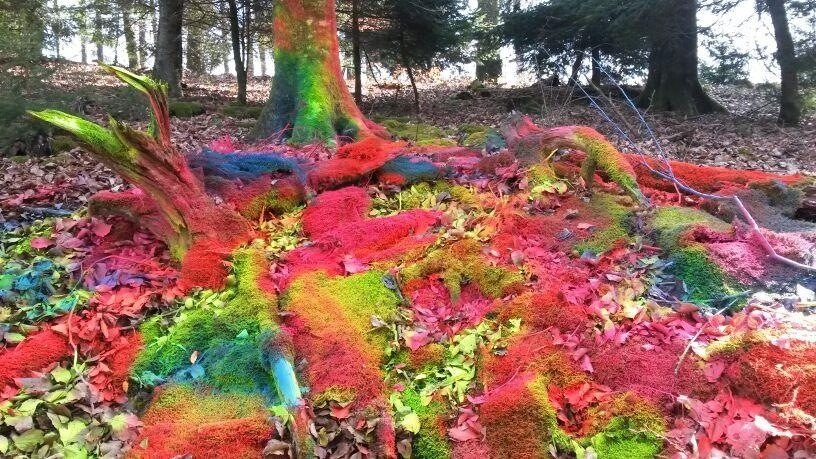
It made me consider hyper-real environments, what we need to do to make that modern day society sit up and smell the coffee; that is, become alert to the wonders that surround them on a daily basis. Then another friend posted this image on Facebook…

20140313-173151.jpg

Perhaps we’re all thinking the same thing!?

Paper Ghosts and Analogue Photography in Oxford

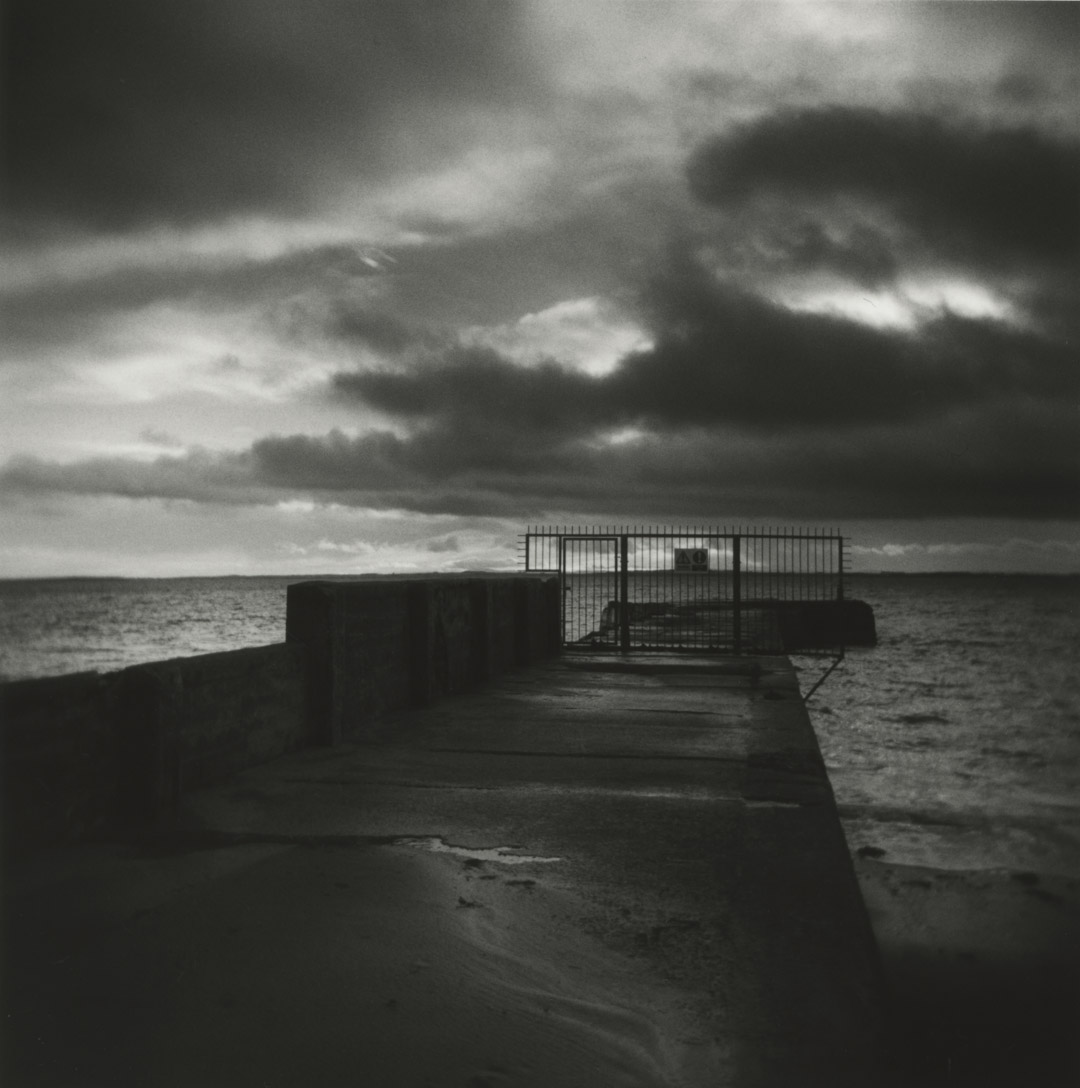
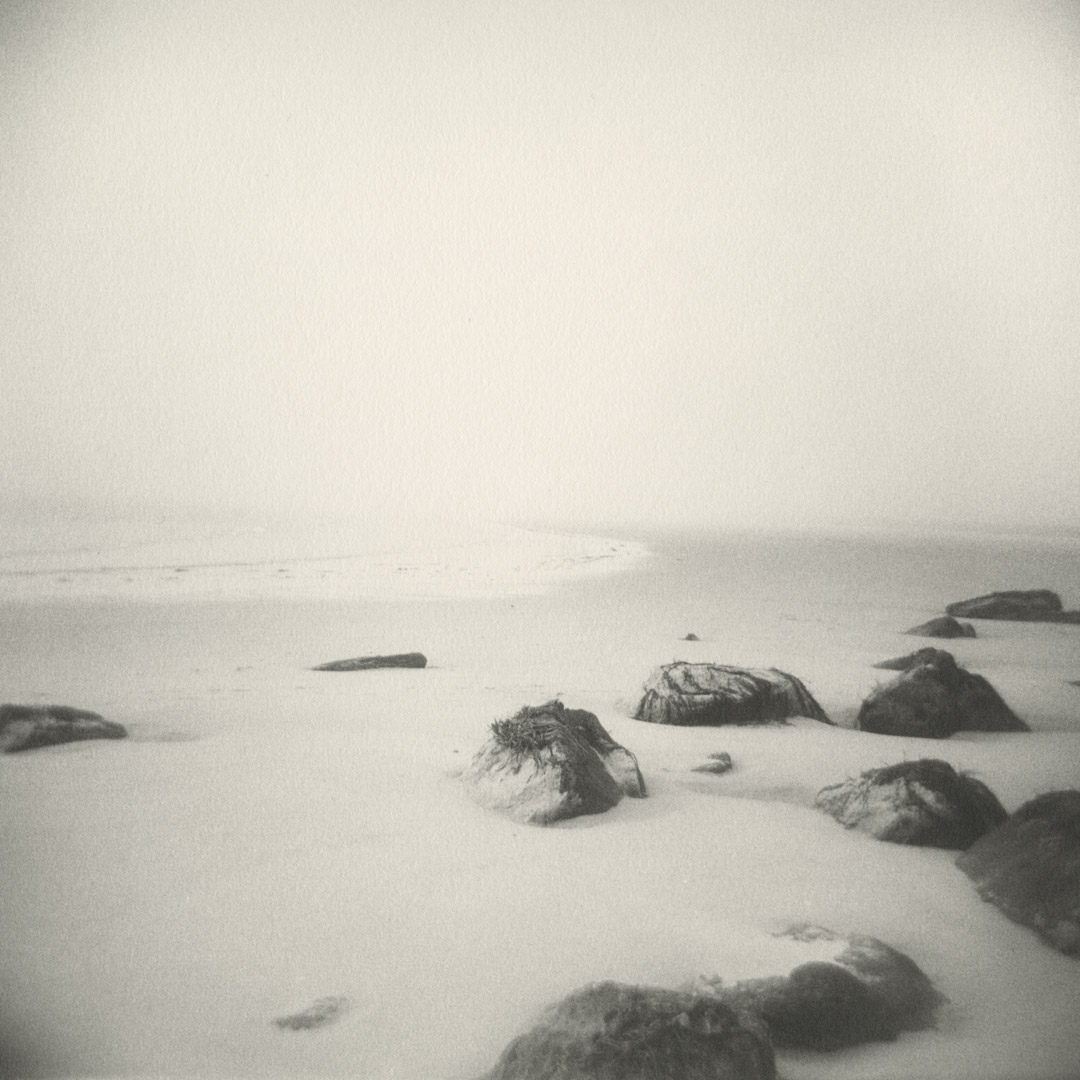
Paper Ghosts is a photography exhibition by Kim Shaw showing at Art Jericho from 27 February to 31 March 2014… and the works in it look stunning! Some sit somewhere between soft pencil drawings, and monochrome watercolours, whilst others evoke a feeling of technical drawings, or  studies of urban landscapes.

The exhibition comprises a collection of four series of photographs, you see, and each feels distinctly different, to the extent that it could be an exhibition of work by four different artists, which is interesting given that Shaw shot all of the images on a primitive analogue camera, a Holga made famous (and trendy) by Lomography and the boom in smartphone filters and apps such as Instagram and Hipstamatic.

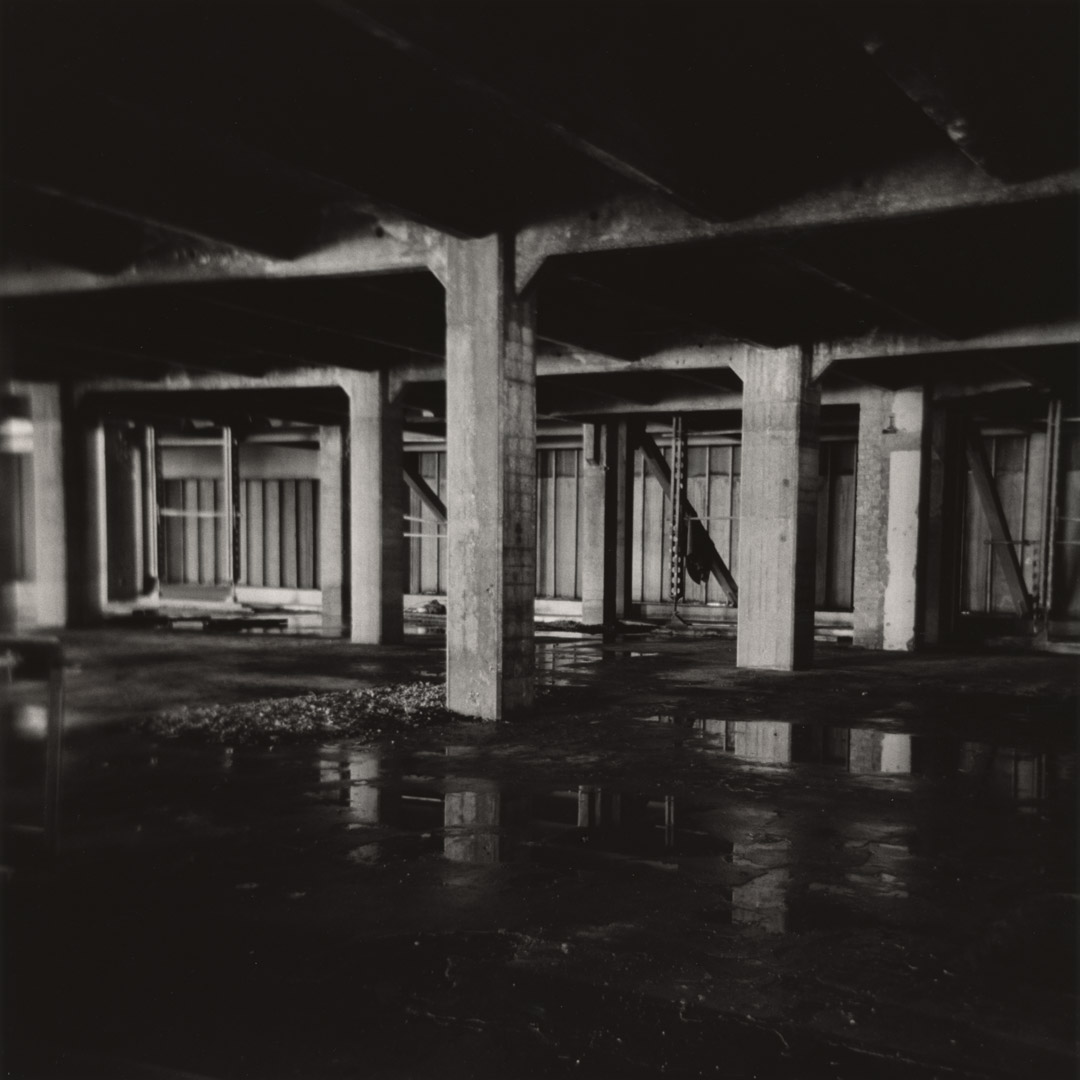
The Old Vinyl Factory Project is a series of analogue images that gathers together works executed over the past 18 years, and in which the viewer is deserted by an audience that now largely embraces the digital world; Lilliputian Landscapes (2002) play with scale making the macro appear as micro; The Humidity Series sees Shaw explore the wild beauty of fog on Highland beaches and burns, the River Thames and Cherwell, and condensation permeating the hot houses at Kew Gardens, and Pin-hole Flowers is a classically and deconstructed series of images, presented dot by dot. Jenny Blyth, director at Art Jericho commented, “Shaw’s work is quietly beautiful, wistful yet contemporary.”

Shaw is currently a resident artist at Kew Studio, London, but despite coming from a photographically inclined family she started off life studying journalism followed by a career in advertising – perhaps it is this background or the commercial, brief-based photography of her family’s past that enables her to skip from subject to subject, style to style with such ease!?

Here’s a sample of some of the works on display at Art Jericho as part of this exhibition…

Image

Image

Image

Image

Image

Image

… and if this whets your appetite for analogue (which the people of Oxford seem particularly keen on at the moment following on the tail of the pretty popular, even if I do say so myself, Exposed LiveFriday that took place at the Ashmolean in July 2013, and I co-curated with Lomography London) then be sure to check out the forthcoming Oxfordshire Artweeks associated exhibition, Lo-Fi, taking place between 3 and 25 May at O3 Gallery, Gallery at the Old Fire Station and The Jam Factory, which will see aesthetic effect prioritised over digital accuracy in a series of exhibitions and workshops that will explore and celebrate creative analogue photography.

p.s. The Shop at the Old Fire Station sells some Lomo stuff if you fancy getting snappy yourself!