Audiograft Festival

The launch of annual Audiograft Festival is taking place tonight at Oxford Brookes University and I am very excited about what this fortnight of new experimental music, sound art events and exhibitions will be offering up in venues across Oxford.

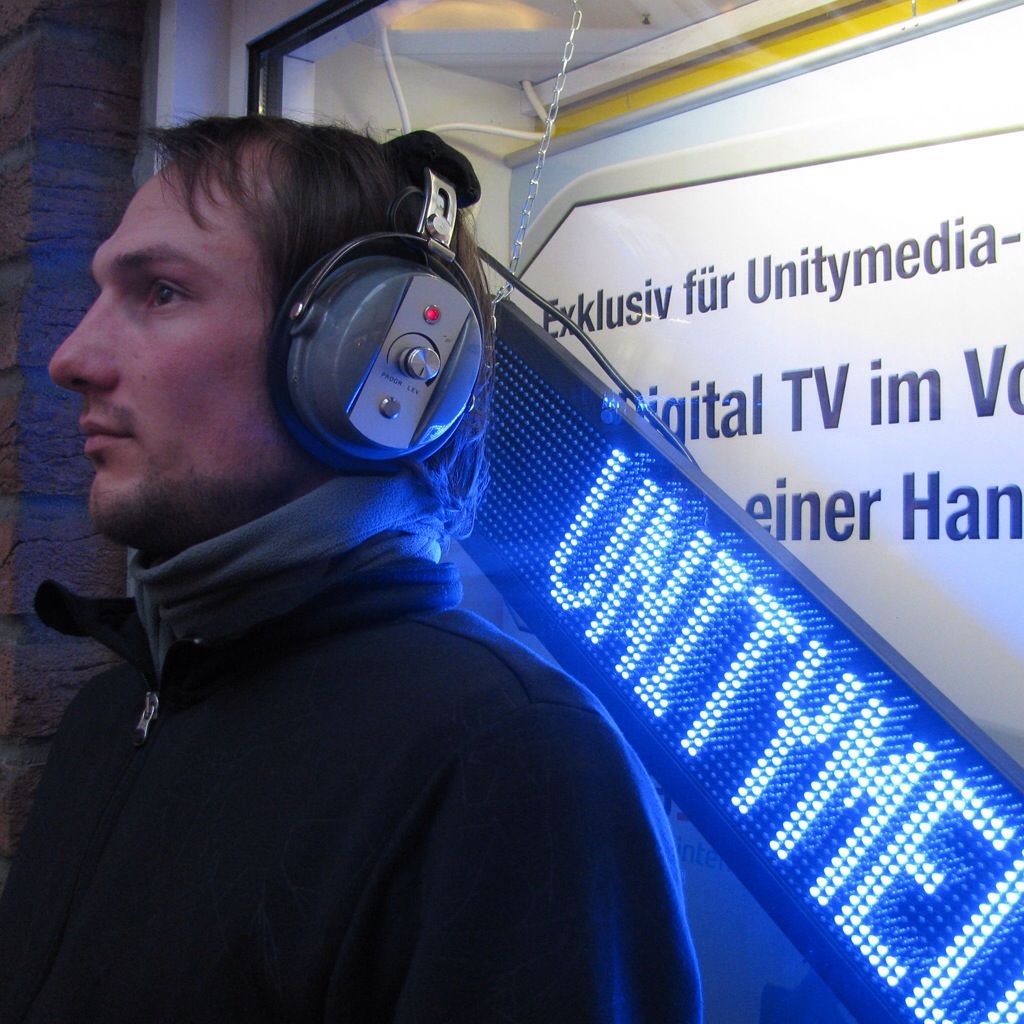
Audiograft is curated by the Sonic Art Research Unit (SARU) at Oxford Brookes University and co-promoted by OCM. OCM have tipped me off that the ZIMOUN exhibition at OVADA is going to be particularly good, and I’m looking forwards to donning a pair of headphones and setting off to explore Christina Kubisch’s electrical walk. Check out this video introducing her walks…

20140311-164105.jpg

New exhibition space, Glass Tank Gallery, (Gipsy Lane, OX3 0BP) will be presenting work by Christina Kubisch, Gordon Monahan and Charlotte Heffernan from 12 to 28 March, Monday to Friday, 9am – 5pm… and I’m really rather excited about this!

So excited I could pop!

Sensory Mapping

I’ve just submitted my review of Emma Moxey‘s current exhibition, All the Familiar Landmarks, to the Oxford Mail. The review will be in the paper on Thursday, and the exhibition is currently on display in the Gallery at the Old Fire Station until 30 March.

Anyway, I won’t go on about the exhibition now as you can read about it in the paper on Thursday (needless to say that it is damn good and I urge you to go see it); however, in part cap-doffing admiration, and in part confession I’d like to point people in the direction of a really great interview by Samuel Stensland (aka Mr Pint Writing) who interviewed Emma about All the Familiar Landmarks for the OFS blog… you see I’ve nicked some of her descriptions from this interview for my review – really hope that’s ok!?

In other news, discovering Emma Moxey’s work, and finding out about a recently established project called Cities & Memory that has been set up to map the real and imagined sounds of the world, I am getting toe-tinglingly excited about the potential to pull together some really brilliant artists all working in a different areas of sensory mapping.

Those artists include (but aren’t limited to):

Emma Moxey
Kate McLean – Sensory Maps
Sarah Mayhew Craddock **ahem**
Stuart Fowkes – Cities and Memory
Victoria Henshaw – Smell and the City

I’m thinking that this could make for a really interesting pan-Oxford project, potentially working in collaboration with Science Oxford, OCM, and Modern Art Oxford (only these organisations don’t know this yet! ). Watch this space!

“Our most precious moments of travel are taken home not through our luggage, not through our cameras… but through our senses.
Anita Mendiratta, 2010

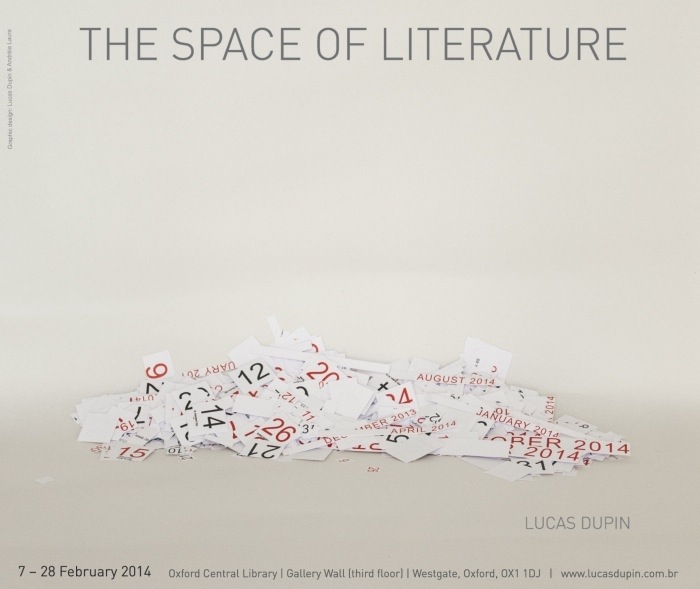
The space of literature

An exhibition by Lucas Dupin at Oxford Central Library
Continues until Friday 28 February 2014
20140225-084957.jpg

Lucas Dupin (b. 1985) is a Brazilian visual artist with an MA in Fine Art from the School of Fine Arts of the Federal University of Minas Gerais, Brazil, and a BFA from the same University.

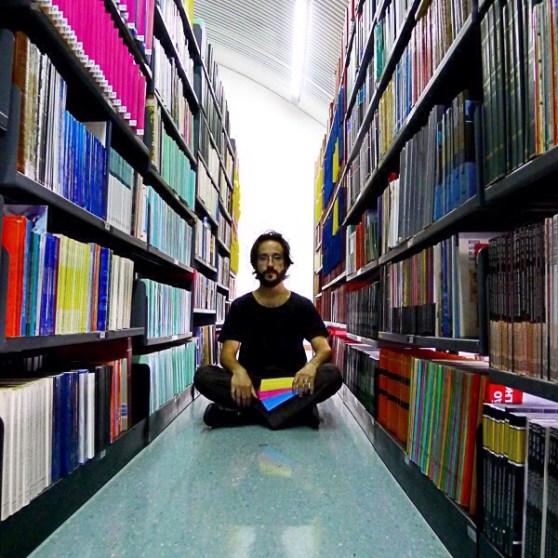
Looking at the portfolio pages on Dupin’s website it’s clear to see that he’s an artist with an active interest in creating site-specific interventions in public spaces, both indoor and outdoor, in addition to exhibiting in traditional gallery spaces. Combine this penchant for public engagement with a deep-rooted interest in bookbinding and literature that runs alongside his practice, and it’s not surprising to find that this Brazilian artist has found himself in Oxford with an exhibition at the city’s central library.
20140225-084852.jpg

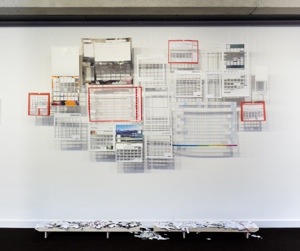
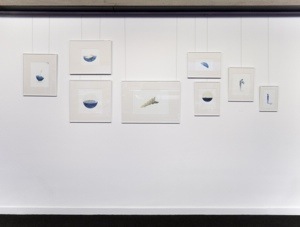
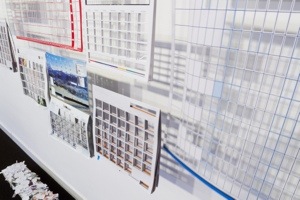
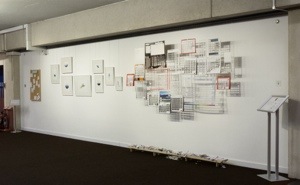
The space of literature comprises two new works, a wall-based installation and a series of watercolours. The work derives its title from a book by the French writer Maurice Blanchot. Despite its connection to the literary practice, Dupin’s artworks invites the viewer to enter into an experience, to explore an understanding of a place where time and space are absent. Dupin is interested in creating transportative experiences that enable the viewer to enter a space where one belongs to the imagination.

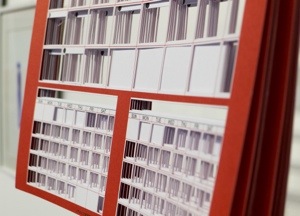
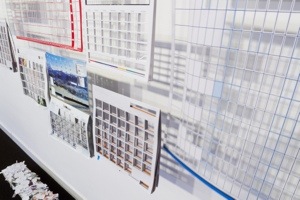
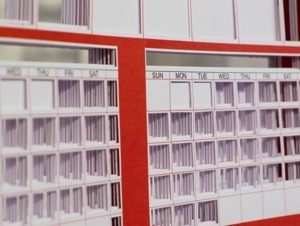
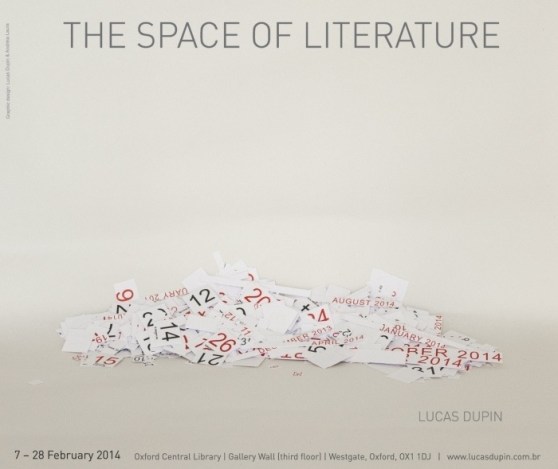
Deconstructing everyday objects, Dupin’s installation at Oxford Central Library comprises of a group of old calendars where all numeric or time references are cut out. What remains, hanging on the wall, is a geometrical patterns of grids, the left over spaces of the days plus the missing parts strewn across the floor.

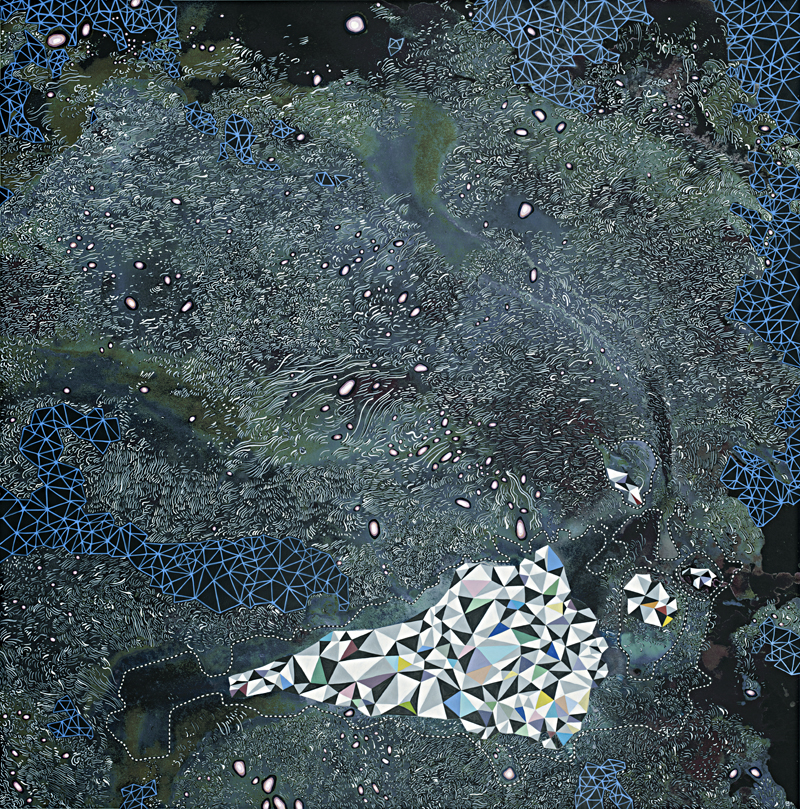
The other other work is a set of displaced watercolours. The paintings evoke a space of strangeness where time and space seem to be suspended.

Lucas Dupin has worked with bookbinding since 2005, developing books, and teaching courses. In 2009 he won 2nd place in the ABER (Brazilian Association of Bookbinding and Restoration) contest in the amateur category with an exhibition at São Paulo Cultural Center. He also conducted a short internship at Atelier Reliures Houdart in Paris under the guidance of Ana Utsch in 2008.

Dupin’s work has been exhibited and featured in several solo and group exhibitions in Brazil, Canada and USA. Two years ago, he won the Energias da arte Prize, an important national award focused to young artists. As part of the prize he joined an artistic residency at The Banff Centre in Canada for two months. Other highlights in his curriculum are the prizes Forestry Interactions (2010) with an artistic residency at Terra UNA Eco Village and the competition and exhibition Olheiro da arte in Rio de Janeiro.
20140225-085909.jpg

20140225-085943.jpg

20140225-085500.jpg

20140225-085819.jpg

20140225-085841.jpg

20140225-085857.jpg

20140225-085924.jpg

Windows of escape framed by hospital life

I sat next to a man at a symposium the weekend before last who explained that his partner organises exhibitions at the local hospital, the John Radcliffe. Oxford’s a small place, and it immediately clicked that his partner must be Gabriele Dangel from Notfamousyet – I’ve seen stuff that she’s curated before, and I’ve rated it, though I’ve never been up to the hospital to see anything that she’s programmed there.

Contemporary art in hospitals is nothing new these days, but meeting this guy, and thinking about what Gabriele is doing set me thinking about the importance of it, and the need to signpost it well, and take it seriously within the holistic hospital environment. By that, I mean that I found myself (slightly lost, geographically and emotionally) in a hospital chapel in my ‘hour of need’ a couple of years ago… but I’d have been much more appropriately placed in a gallery space.

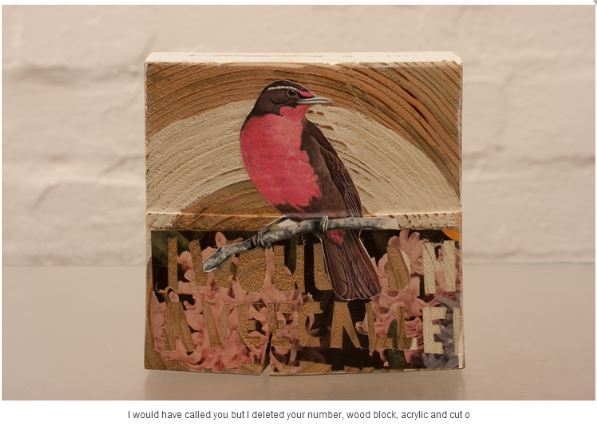
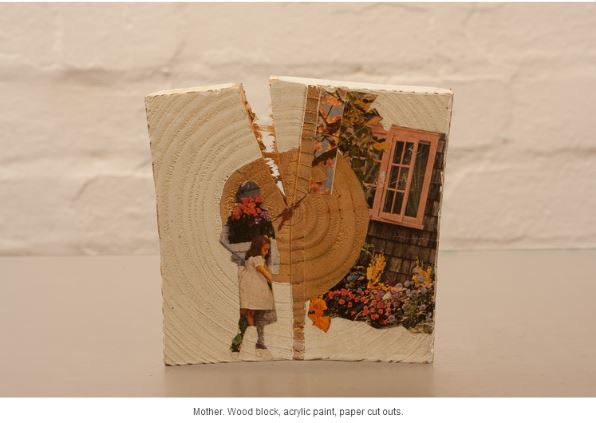
Anyway, last week I received an email about another exhibition by Claudia Figueiredo and Jonathan Moss this one on South Street at The Churchill Hospital, Oxford. The exhibition, Windows of escape framed by hospital life, continues until Saturday 8th March 2014. I’m probably going to find myself in hospital as a patient in a couple of months time, and as such, just wanted to say thank you to those that exhibit and coordinate quality contemporary art in hospitals. I reckon I’m soon going to really appreciate something that, as a healthy member of the public, I’ve previously overlooked.

Claudia Figueiredo Claudia - Mother

Sacred water

It’s 3rd Feb… and the water keeps on coming. All waterways are swollen to bursting, and dangerous, almost across the entire country, and more flood warnings have been issued today in Oxford. It’s incredible, just incredible. Figures show that parts of England have had their wettest January since records began more than 100 years ago.

Anyway, this is making me think about water in a different way. Ordinarily carefully preserved and measured, weather reports are showing polluted, overflowing excesses of water. Wildlife conservation is one of the things being blamed for water channels not having been sufficiently dredged over the past few years, and consequently unable to channel the quantities of water properly.

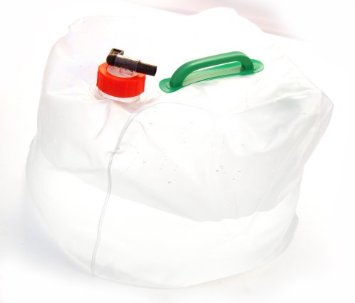
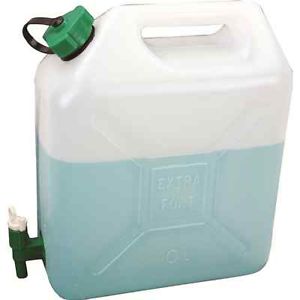
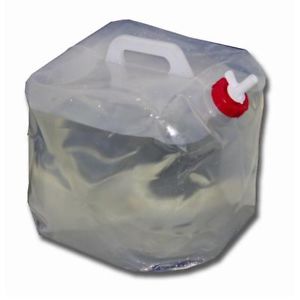
I’ve been thinking about water butts, and containers – vessels that we usually use to capture and contain ‘good’ water. My thoughts have turned to preserving this ‘bad’ water, and the various layers of history that it’s churning up in something that viewers might be able to relate to on a domestic level. I like the thought of the physicality of the selection below that I’ve found online, and that I’m considering using for my Wait ’til it Settles installation that’ll form part of the Inspired by the canal exhibition at the Jam Factory. I like the idea that, with some effort, they’re portable, so people might move them around in a restaurant environment, unsettling the waters. And I like the thought that, in the event of an emergency, one might wait til the muddy waters settle and then syphon the clean water off the top – ignoring the history, the old, settled murky water, and hoping for the best for the future.

Domestic water vessels 20 Litre Portable Collapsible Water Container with Tap Highlander 10L Litre Capacity Plastic Jerry Can Camping Water Container With Tap HIGHLANDER COLLAPSIBLE 20 LITRE WATER CONTAINER CAMPING

Whatever containers are used in the end, I’d like them to be as transparent as possible so visitors can see what’s within (exposing the interior of a canal – laying it bare); and I’d like them to be mainly different in shape and form, just as the water within them will be taken from different parts of the Oxford canal.