Skin to skin

Having recently had a baby I’ve become increasingly conscious of the importance (for psychological development) of skin to skin contact between parent and child. There’s also a lot of talk about the benefits of ‘baby wearing’ amongst new parents. We wear our daughter in a sling, and she is amazing; incredibly social, very alert, and insatiably curious. She looks people in the eye and explores the world, not from a passive knee-high perspective, but from a height and position that allows her to explore the world that awaits her ‘on a level’. It’s fascinating, but also so very obvious… personal and practical – we just need to look to the beautiful, wholly natural, and sophisticated relationships that exist between our forefathers, by which I mean primates, for a precedent.

A friend of mine, a brilliant photographer and inspirational man, Andrew Walmsley recently spent time in Sumatra photographing orangutans in their natural (threatened) environment. Andrew and I met for a cuppa and a catch up upon his return and, whilst gazing at my newborn baby, he talked about how blind it is of people to comment on how similar primates are to humans, when actually it’s the other way round – we are them, not vice versa!

My brother is 12.5 years older than me, and Mum and Dad have mentioned several times how interesting it was when I was born that all of his friends were captivated by “my tiny little hands, fingers and toes.” I love the way my daughter grasps me. I’m addicted to her soft, little, callousless hands. I can’t stop kissing them. It was interesting, then, to happen across this programme on BBC Radio 4 this week – Al Kennedy: Holding Hands.

Let’s all hold hands and feel better for it!

IMG_2589.JPG

… and THIS is why I love Artweeks!

Amidst a sea rolling with giant waves it’s easy to become disorientated, and faced with the Oxfordshire Artweeks guide it’s similarly tricky to orientate yourself. You’re desperate to dive in the enticing waters, but you’re not sure what kind of an experience you’re going to encounter, as the offer is simply overwhelming.

How to find the needles in the haystacks? Separate the wheat from the chaff? Find those diamonds in the rough? Sometimes I think you’ve just got to dive in and hope for the best.

I hadn’t been to Charlbury until last week. What a charming place it is. Bigger than I’d anticipated; and, that Friday, full to the rafters of Artweeks activities and guide grasping gad-abouts, hubby, off-spring and I included. In and around Charlbury we saw some good art, some ‘fun’ art, some inoffensive living-room ‘art’, some garden art… and at venue 161 we saw some stunning art.

Venue 161 offered everything one really wants in an Artweeks venue. A ‘Through the Keyhole’ style insight into who lives in a house like this. Turns out two artists who’ve recently relocated back to the Cotswolds from the Isle of Wight do. They were both exhibiting in different parts of their house, and exhibiting in the glass house in their back garden, which was once home to a hot tub, was the nephew of one of the artists. The artists’ work was unrelated, the welcome was warm, the exchange was fun, and the art was interesting… In a really good way. Practicing artists, at different stages in their developing careers, working through their concepts, and happy to chat to curious visitors about their processes and inspiration. The artists I’m referring to were George Taylor, Janice Thwaites, and Tim Collard – click through to their websites, and return to check their work out as part of the Oxfordshire Artweeks Christmas exhibition in November (there’ll be more info on the Artweeks website in due course), or get in touch with George Taylor through his website as he offers private studio visits by prior arrangement.

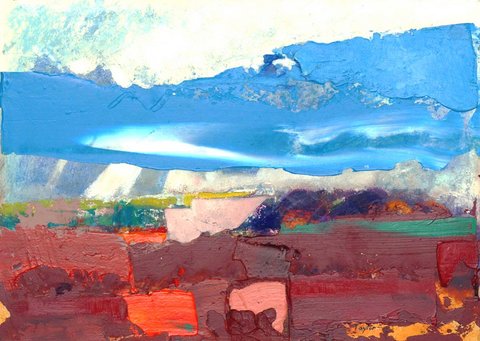
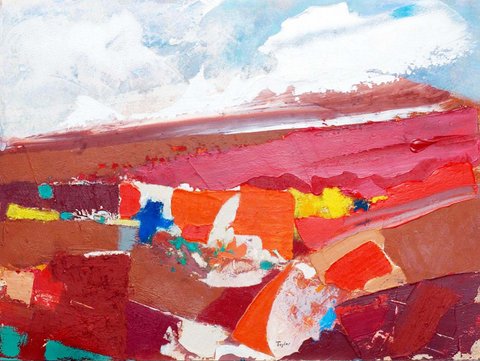
Anyway, the work… it was all good, and all interesting, but George Taylor’s was exceptional (see the below images). You know that slap on the forehead between the eyes sensation? That shock encounter of something really quite special that takes you by surprise because you weren’t actively looking for it? That. I sneaked up on George, he was sat at his computer with his back to the exhibition space. This gave me time to roam, inspect and admire his work without that feeling of being ‘watched by the artist’, which is sometimes a bit uncomfortable, particularly if the work’s rubbish and you spend your time circulating trying to think of positive feedback that doesn’t leave you feeling like a liar. Anyway, as I circulated in his direction I found myself moved to exclaim just how much I was enjoying his work. The layers, the textures, the composition, the application of paint and pastels, the scrapes, the scratches, the scalpel cutting away and revealing unexpected colour combinations – bloody brilliant! All works imbued with a very specific sense of place. Waves and washes of atmosphere, abstracted landscapes and seascapes all with a very real sense of history and time. Many of them watery and Isle of Wight-esque, Taylor’s work is sensational, in the literal sense of the word. These sculptural, almost architectural, paintings take the viewer on a journey, they’re mesmeric, captivating. This is highly idiosyncratic, great painting. It’s the kind of work that you want to invest in, and that you want to invest time in. I can imagine discovering new aspects of it as it grows older with you – like an adventure that you and the painting would embark upon together. I could go on, I could definitely invest, and may very well do just that come November, and THIS is why I love Artweeks!
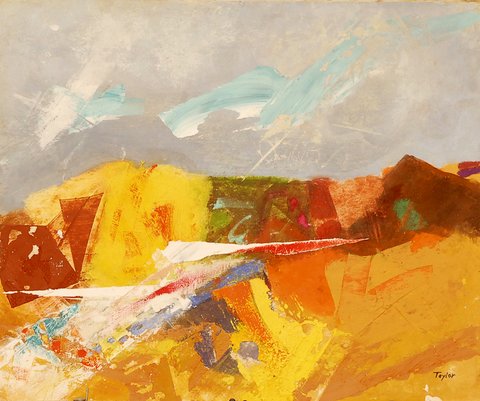
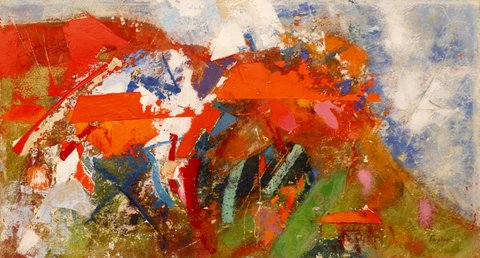
George Taylor a_DSC3602 (2) a6a (2) a12a (2)


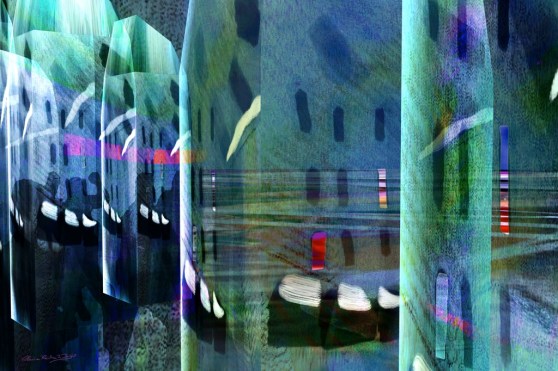
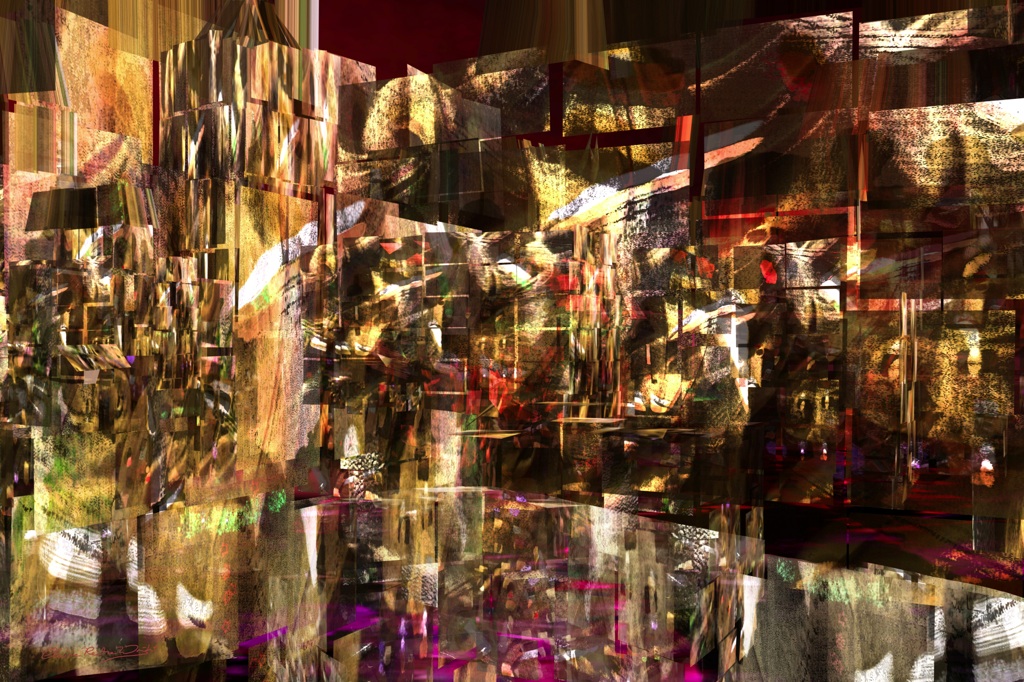
Whilst chatting with George a mutual connection came up in conversation, Claire Reika Wright. We both remarked on how much we both enjoy the opportunity of revisiting artists’ work through Artweeks. Reika Wright regularly exhibits as part of Artweeks, and her work has come a long way in the time that I’ve ‘known’ it. When our paths first crossed three or four years ago Reika Wright was setting out on an experimental journey to take viewers on an audio visual journey using new media stepping inside paintings. Several years ago the work seemed a little clumsy, it was only in its infancy as a concept and Reika Wright was having to learn an entirely new set of skills to realise her ideas. And this has been a journey that she’s taken her Artweeks audience on over the years, and now it’s reached a highly sophisticated stage, and again she has exhibited as part of Artweeks showing off this progress to a local audience (she exhibits nationally and internationally) – see a couple of images taken from her work below… and THIS is why I love Artweeks!

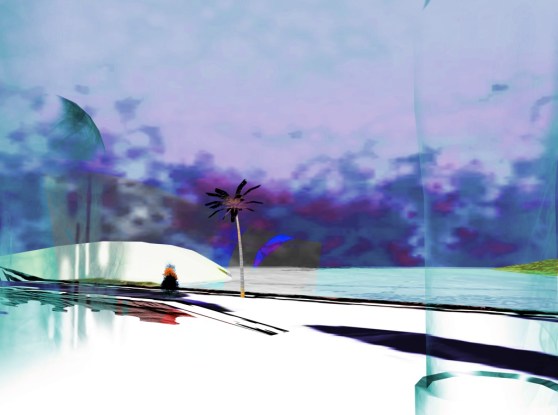
The Eternal Flame Inverted-_xl (2)

Shadows 60x40 Dibond (2)


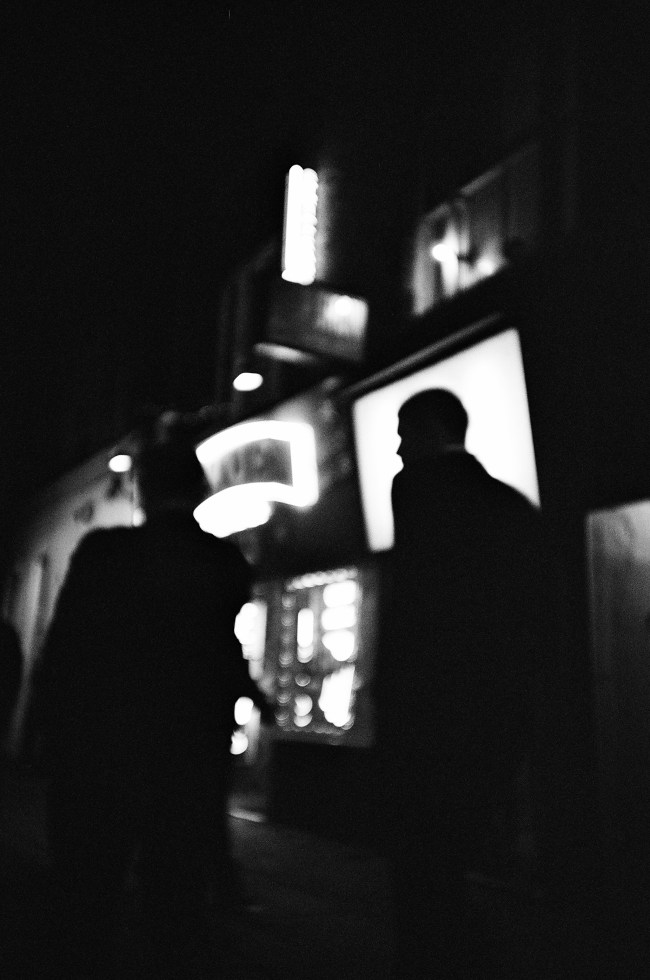
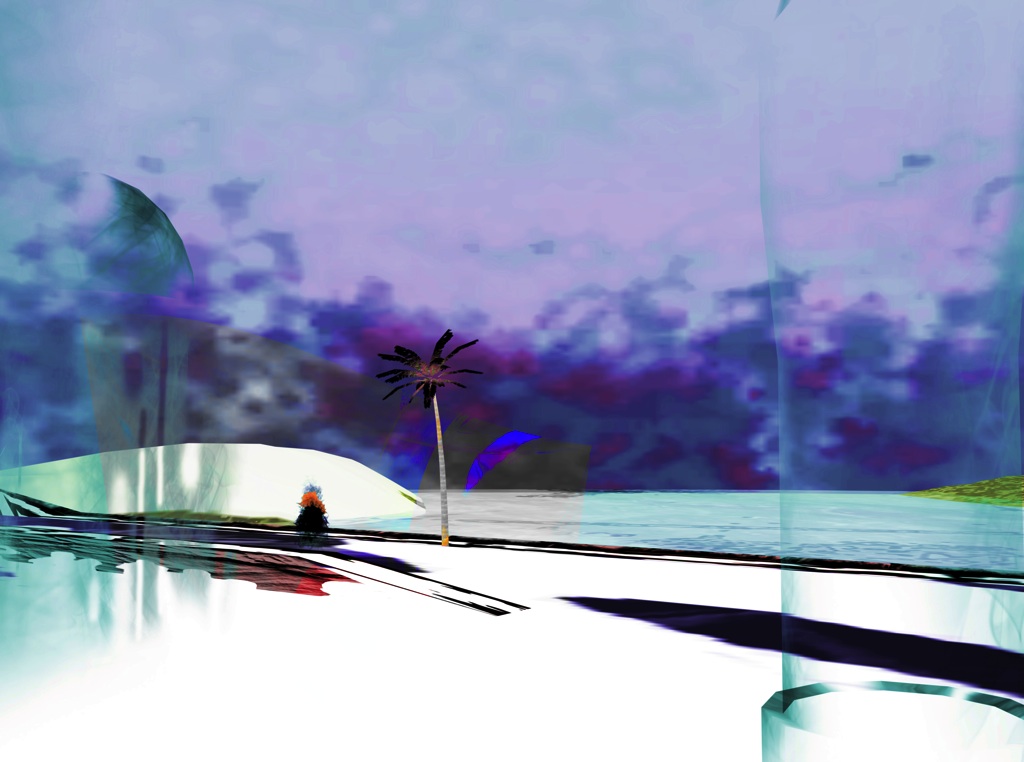
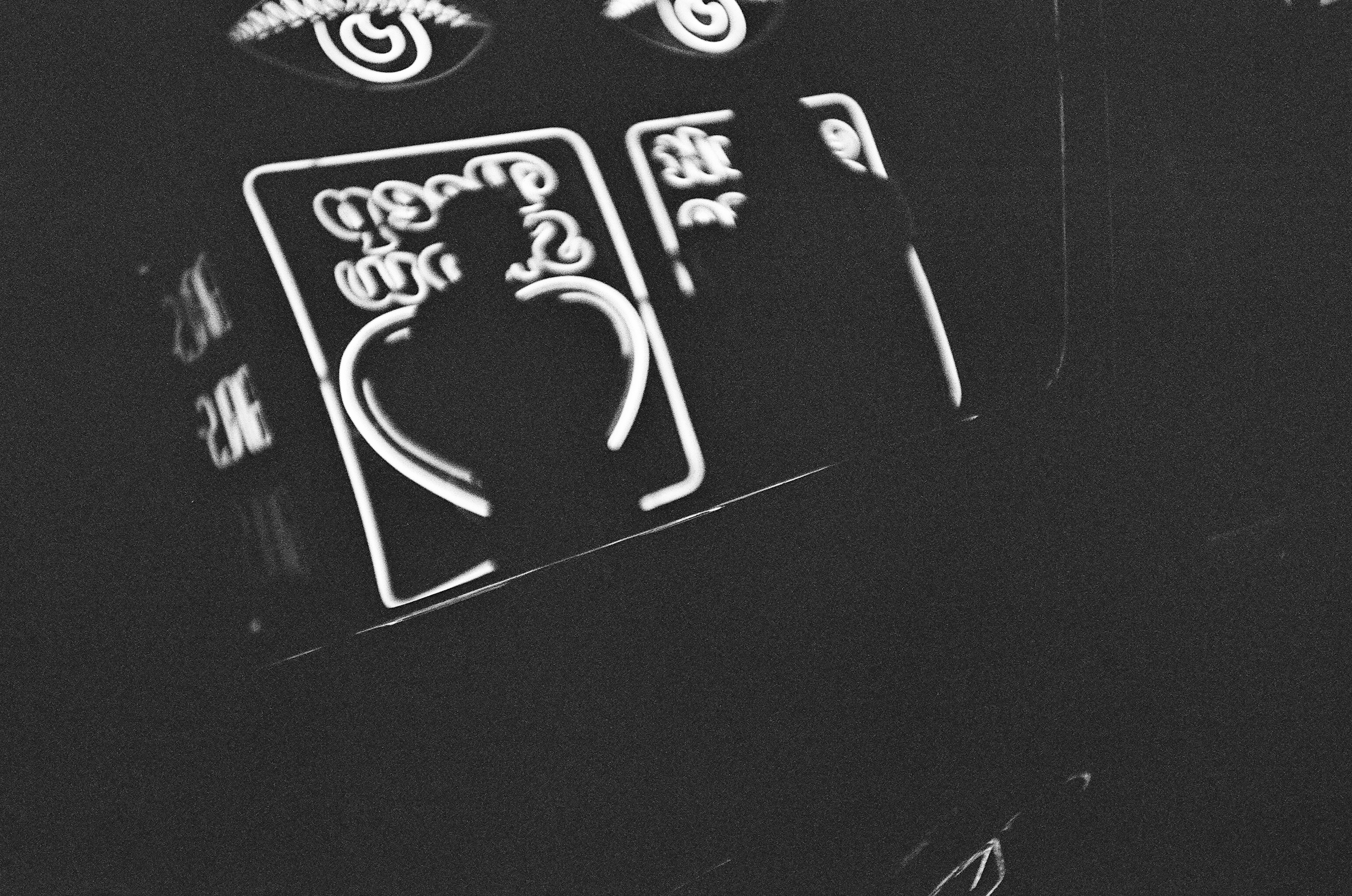
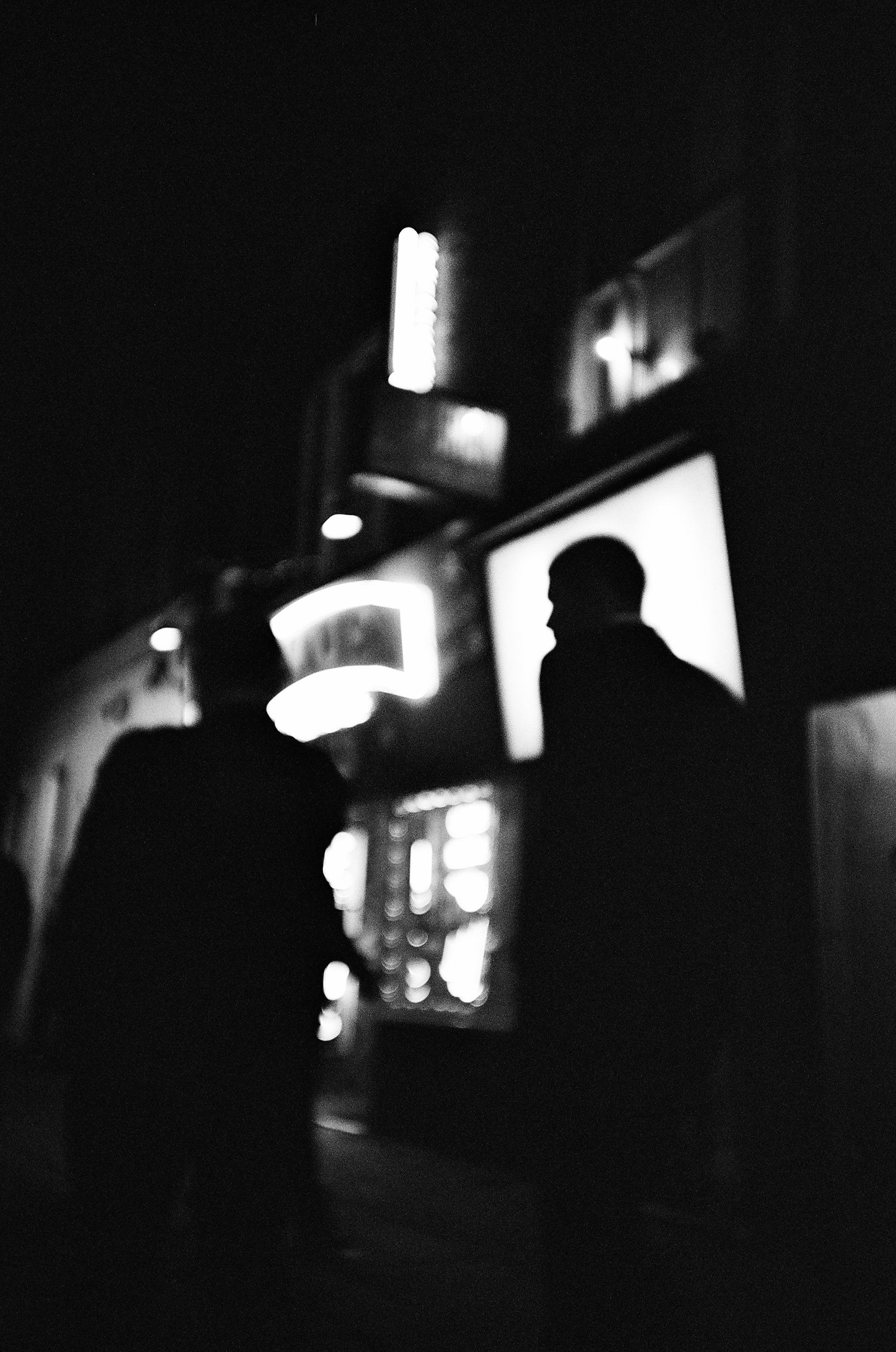
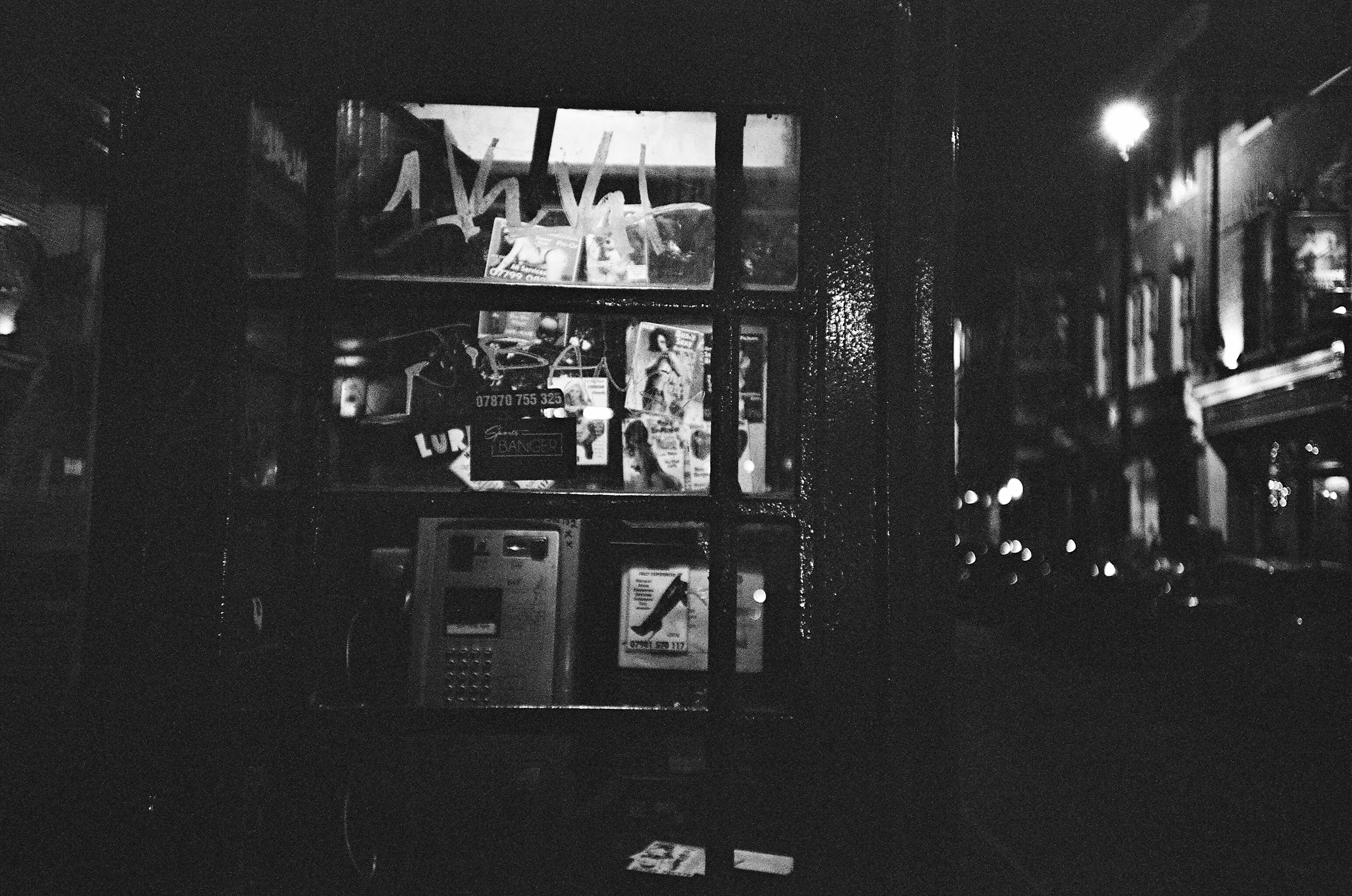
Next up I’d like to mention a catch it whilst you can multi-venue analogue photography exhibition, Lo-Fi, which continues at O3 Gallery, and The Jam Factory until 25th May, and at the Old Fire Station until the 14th June. This cross venue exhibition sees the various venues seek out artists that utilise a Lo-Fi, or ‘low-fidelity’ process. That is, their photographic practices embrace low quality exposure and prioritise aesthetic effect over digital accuracy. And the venues have unearthed some really great photographers, many of whom were unknown to me… again, THIS is why I love Artweeks!

The Jam Factory show features work by photographers: Marc West, Catherine Lang, Kazem Hakim, Ashley Good, Mirren Kessling, John Hamand, Anna Bruce and Youssef Sida. All of the work in this exhibition in the Boiler Room at the back of The Jam Factory is of a very high standard, almost entirely black and white, some collaged pieces, all possessing a sense of voyeurism, and perhaps a touch of 1970s espionage at times. It’s an excellent exhibition. However, the stand-out artist for me is Youssef Sida. Sida’s website doesn’t do the work exhibited as part of this exhibition any justice, so you’ll just have to hot-foot it over to The Jam Factory before Sunday night to see it for yourselves and make your own minds up!

The work shown below is by exhibiting photographer and curator of this show, Marc West.
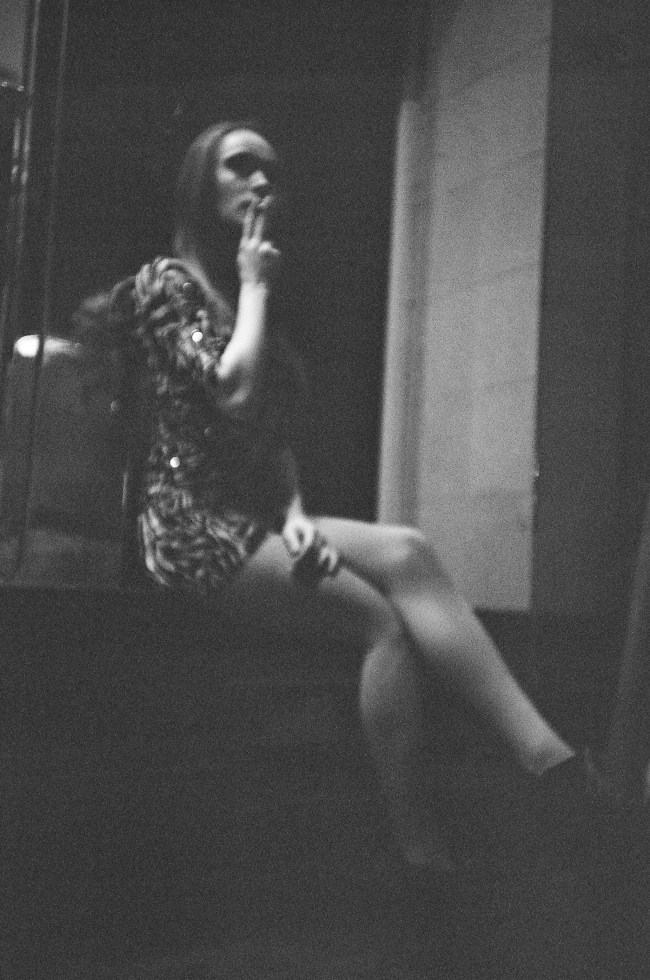
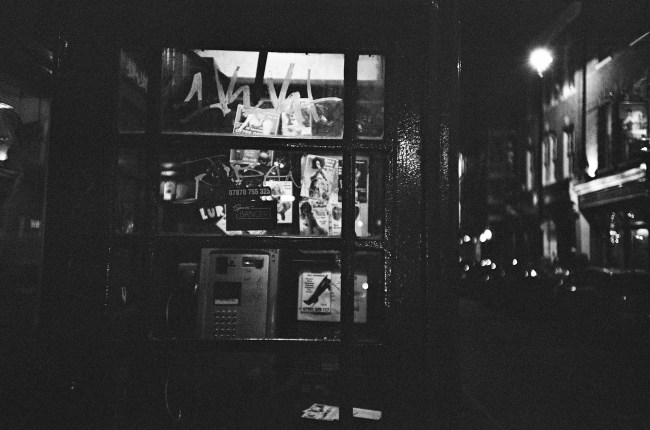
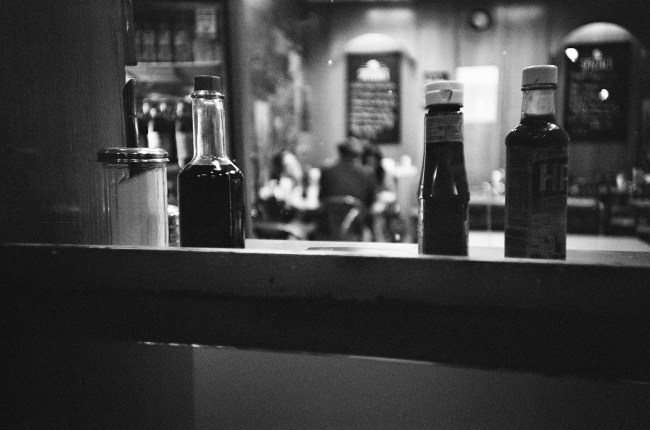
ImageImageImage ImageImage

Finally, I’d just like to add, that people may think they know what they’re getting when they think about Oxfordshire Artweeks, the country’s biggest and oldest open studio event, but that’s impossible. New artists sign up to participate in Oxfordshire Artweeks each year, others dip out, and others take their work in another direction… and THIS is why I love Artweeks!

To blindly go where no earth worm has knowingly gone before

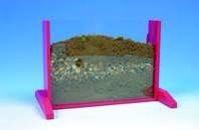
Thinking about underground paths that we don’t see and rarely think about I started thinking about animals that live underground and exist largely undetected. This led me to think of worms, who are blind and exist by instinct, and then to wormeries, created by humans to observe these curious wormy creatures going about their subterranean existence.

20140519-114931-42571282.jpg

Thinking about this instinctual / oblivious behaviour, and the addictive intrigue that it brings about led me to think of other ‘great adventures’ and to to the introductory text that was spoken at the beginning of many Star Trek television episodes and films, from 1966 onward:

Space: The final frontier
These are the voyages of the Starship, Enterprise
Its 5 year mission
To explore strange new worlds
To seek out new life and new civilizations
To boldly go where no man has gone before

Which is where the idea behind the adapted title of this piece came from.

As a child I remember trying to ‘dance’ worms out of the ground, pouring water on a spot and dancing on that spot in an attempt to replicate rain fall that would lure worms out (what I thought I’d do with the worms once/if they surfaced, I’m not entirely sure!). Anyway, thinking about it now it just feels like taunting the animals – raindrops keep falling on my head.

This led my thoughts on to other animals that live subterranean, parallel lives to ours and yet are rarely noticed by us led me to think of moles. Like worms they’re also blind, and pretty harmless yet seen as pests when they ‘surface’. Consequently horrific traps have been created to capture and kill the moles, and they’re used on a domestic level by ‘normal’ people who seem to think that such behaviour is acceptable… Another parallel, this one with human behaviour and intervention – with the way in which some people think that it’s acceptable to interrupt the lives of others and treat fellow creatures.


Chop Chop!

Waving a looking glass over the finer things in life, O3 Gallery in Oxford Castle Quarter is currently housing an intricate exhibition called One Thousand Cranes highlighting work by contemporary fine artists and craftspeople working with paper. Taking the familiar sight of fancy greeting cards and the traditional and familiar craft of origami to a whole new level, the exhibition looks simply beautiful and continues until 27th April 2014. Go take a look…

Continue reading

Dear Mr Gove by Jess Green

I’ll be honest, it takes quite a lot for me to sympathise with teachers, mainly because so many of them do seem so quick to complain about how hard they work, yet have only ever worked in teaching so have little to compare their experience with. However, spoken word poet, Jess Green strikes a pretty raw nerve in her poem Drear Mr Gove, and with my own concerns about proposed education reforms, I understand why.

Dear Mr Gove by Jess Green

According to an article in The Independent Jess Green studied creative writing at Liverpool John Moore’s University before working as a freelance poet, leading poetry workshops and working as a librarian. The article goes on to explain that she’s also in the process of writing a full length comic play about education to be staged at this year’s Edinburgh Festival entitled Burning Books, which she admits is “quite left-wing” and that she is also due to perform at Latitude festival later this year.

What I enjoy about this impassioned piece of poetry is that it exists, and is being celebrated. Teachers are relating to it, and taking comfort in it, and it’s raising awareness outside of the education sector about a plight and frustration. It’s poetic politics, and it wouldn’t be reaching the audience numbers that it is currently reaching were it not 1. very good or 2. creative. What concerns me, however, is who Jess’ audience might be in ten, or fifteen years time when the number of creative, critically thinking “quite left-wing” individuals has severely diminished due to Mr Gove’s proposed absence of arts subjects in mainstream education. It concerns me that the Jess Greens of this world might not go to University to study creative writing, and might not graduate to go on to pursue a career working as a freelance poet, leading poetry workshops, and working in schools empowering young people with the art of the spoken word. I’m concerned – we all should be.

For any matters relating to Dear Mr Gove’s role as Secretary of State for Education, please contact him at the Department for Education directly:

Write to: DfE, Sanctuary Buildings, Great Smith Street, London, SW1P 3BT
Email: ministers@education.gsi.gov.uk
Tel: 0370 000 2288

I’ve blogged / ranted on and around this subject before – Painting a sobering picture – what does the future hold for art education, art schools, and artists in the UK? And a trip to London Art Fair… and here – All about the rich kids…

Reflecting upon this, I find myself wondering if I would be motivated to blog / rant / bring people’s attentions to perceived wrongs / areas of concerns / injustices / areas of brilliance / causes for celebration if I hadn’t had the creative, first class, comprehensive school education that taught me to think, to critique, and to believe that I have an opinion that’s worth voicing!? Probably not. Concerning, isn’t it!?


Check out more of Jess Green’s work here www.jessgreenpoet.com